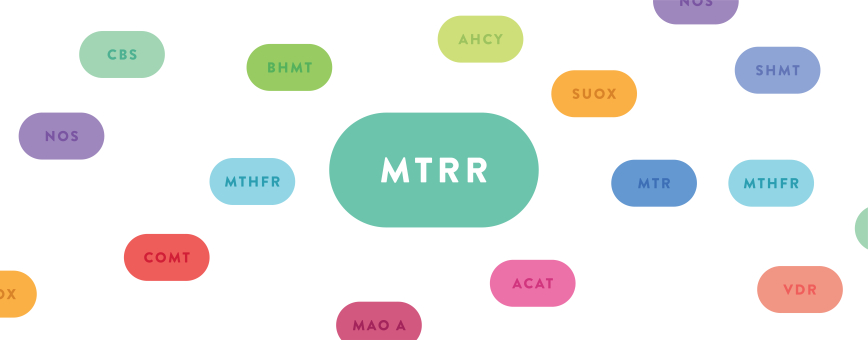
The COMT gene gives your body instructions on how to make an enzyme called catechol-O-methyltransferase (COMT).1
In the brain, the COMT enzyme uses methyl groups to help breakdown different neurotransmitters, including dopamine, epinephrine, and norepinephrine. This process results in one of the major degradative pathways for this group of neurotransmitters, also referred to as catecholamines.2
Research has shown this group of neurotransmitters are involved in helping to regulate mood and attention (such as attention-deficit disorder [ADD]/attention-deficit hyperactivity disorder [ADHD], obsessive-compulsive disorder [OCD], and schizophrenia).3,4 COMT has also been linked to the treatment of hypertension, asthma, Parkinson’s disease, and proper use of estrogen in the body.2,5 Increased sensitivity to pain has recently been associated with COMT activity.6
Mutations in this gene may impact attention and focus, emotional response, pain sensitivity, and how the body processes methyl donors (such as SAMe and methyl-B12).
A Note From Dr. Amy
The COMT gene is also involved in dopamine regulation. For this reason, it is important to look at both your COMT status and your VDR Taq status when considering what supplementation will work best for your genetics.
I’m not sure if I have a COMT mutation, how can I find out?
Our DNA Nutrigenomic Test identifies a custom panel of 30 single nucleotide polymorphisms (SNPs), designed by Dr. Amy. This panel tests for 3 different COMT variations; V158M, H62H, and 61.
While there are thousands of genes and SNPs that can be examined, Dr. Amy has designed The DNA Nutrigenomic Test panel to focus on 30 SNPs that are part of the methylation cycle. This is a key nutritional pathway in the body that is central to health.
Many of the SNPs in Dr. Amy’s custom panel are in the control or regulatory portion of the gene, meaning these SNPs can have a significant impact on your health. These include some of the more unique SNPs on this panel and are not always covered by other DNA profile tests.
The analysis includes supplement suggestions based on personalized results and provides a comprehensive assessment of the methylation cycle. Proper function of the methylation cycle is essential for several key pathways in the body. When genetic mutations, or “weaknesses”, are present in this cycle, there may be increased risk factors for a range of health concerns. To learn more about the DNA Nutrigenomic Test and The Yasko Protocol, read our Getting Started Packet here.
How can I support my COMT mutation?
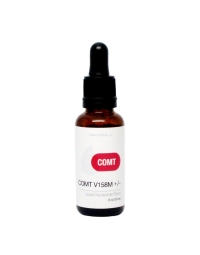
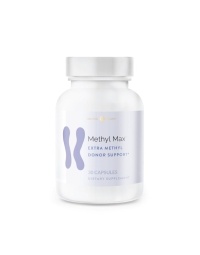
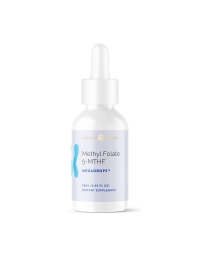
Nutrigenomic pathways are different between individuals and proper supplementation can help support specific imbalances. Holistic Health International offers a variety of supplements to support different COMT mutations within the SNP Support Category here.
You do not need to use every supplement listed in each category! Supplements are provided as options to discuss with your own health care professional, to gradually add in as you feel they are needed, and for additional consideration based on biochemical test results.
The beauty of looking at targeted SNPs in the methylation cycle is that it’s a nutritional pathway, meaning if you find a mutation or imbalance in your system, you have ways to support or bypass them.
The information expressed on this webpage does not constitute an attempt to practice medicine nor does it establish a doctor-patient relationship. Content on the site is for informational and educational purposes only. The information expressed is not meant to replace you working with a physician or health care practitioner.
Information and statements have not been evaluated by the U.S. Food & Drug Administration (FDA) and are not intended to diagnose, treat, cure or prevent any disease or be used as the basis for treating a particular symptom or disease. Any products discussed or endorsed are not intended to diagnose, treat, cure or prevent any diseases or be used as the basis for treating a particular symptom or disease. If you have specific healthcare concerns or questions about the products displayed, contact your licensed healthcare professional for advice or answers.
References:
1. P21964 · COMT_HUMAN. Accessed 04/25/2023. https://www.uniprot.org/uniprotkb/P21964/entry
2. COMT catechol-O-methyltransferase [ Homo sapiens (human) ]. Accessed 04/25/2023. https://www.ncbi.nlm.nih.gov/gene/1312
3. Qayyum A, Zai CC, Hirata Y, et al. The Role of the Catechol-o-Methyltransferase (COMT) GeneVal158Met in Aggressive Behavior, a Review of Genetic Studies. Curr Neuropharmacol. 2015;13(6):802-14. doi:10.2174/1570159x13666150612225836
4. COMT gene catechol-O-methyltransferase. 09/01/2007. Accessed 04/25/2023.
https://medlineplus.gov/genetics/gene/comt/#conditions
5. Bastos P, Gomes T, Ribeiro L. Catechol-O-Methyltransferase (COMT): An Update on Its Role in Cancer, Neurological and Cardiovascular Diseases. Rev Physiol Biochem Pharmacol. 2017;173:1-39. doi:10.1007/112_2017_2
6. 6. Nackley AG, Tan KS, Fecho K, Flood P, Diatchenko L, Maixner W. Catechol-O-methyltransferase inhibition increases pain sensitivity through activation of both beta2- and beta3-adrenergic receptors. Pain. Apr 2007;128(3):199-208. doi:10.1016/j.pain.2006.09.022