The MAO A gene gives your body instructions on how to make an enzyme called monoamine oxidase A (Mao A). This enzyme helps breakdown certain neurotransmitters, including serotonin, norepinephrine, and dopamine.1
Changes in how this enzyme functions can result in neurotransmitter imbalances, which can impact behavior and emotion. For example, imbalances in the neurotransmitter serotonin have been associated with mood, depression, aggression, anxiety, and obsessive-compulsive behavior.2,3
Because of the impact this gene has on neurotransmitter function, MAO A has been associated with various psychiatric disorders, including antisocial behavior.1
MAO A is inherited with the X chromosome. Females have two X chromosomes (one from each parent), and males have one X chromosome (from their mother). This means that a MAO A mutation from the father will not be inherited by sons. Conversely, female genetics will reflect the MAO A status from both parents.3
I’m not sure if I have a MAO A mutation, how can I find out?
Our DNA Nutrigenomic Test identifies a custom panel of 30 single nucleotide polymorphisms (SNPs), designed by Dr. Amy. This panel tests for the R297R MAO A variation.
While there are thousands of genes and SNPs that can be examined, Dr. Amy has designed The DNA Nutrigenomic Test panel to focus on 30 SNPs that are part of the methylation cycle. This is a key nutritional pathway in the body that is central to health.
Many of the SNPs in Dr. Amy’s custom panel are in the control or regulatory portion of the gene, meaning these SNPs can have a significant impact on your health. These include some of the more unique SNPs on this panel and are not always covered by other DNA profile tests.
The analysis includes supplement suggestions based on personalized results and provides a comprehensive assessment of the methylation cycle. Proper function of the methylation cycle is essential for several key pathways in the body. When genetic mutations, or “weaknesses”, are present in this cycle, there may be increased risk factors for a range of health concerns. To learn more about the DNA Nutrigenomic Test and The Yasko Protocol, read our Getting Started Packet here.
How can I support my MAO A mutation?
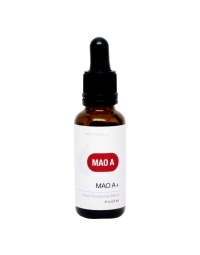
Nutrigenomic pathways are different between individuals and proper supplementation can help support specific imbalances. Holistic Health International offers a variety of supplements to support a VDR mutation within the SNP Support Category here.
You do not need to use every supplement listed in each category! Supplements are provided as options to discuss with your own health care professional, to gradually add in as you feel they are needed, and for additional consideration based on biochemical test results.
The beauty of looking at targeted SNPs in the methylation cycle is that it’s a nutritional pathway, meaning if you find a mutation or imbalance in your system, you have ways to support or bypass them.
The information expressed on this webpage does not constitute an attempt to practice medicine nor does it establish a doctor-patient relationship. Content on the site is for informational and educational purposes only. The information expressed is not meant to replace you working with a physician or health care practitioner.
Information and statements have not been evaluated by the U.S. Food & Drug Administration (FDA) and are not intended to diagnose, treat, cure or prevent any disease or be used as the basis for treating a particular symptom or disease. Any products discussed or endorsed are not intended to diagnose, treat, cure or prevent any diseases or be used as the basis for treating a particular symptom or disease. If you have specific healthcare concerns or questions about the products displayed, contact your licensed healthcare professional for advice or answers.
References:
1. MAOA monoamine oxidase A [ Homo sapiens (human) ]. 04/03/2023. Accessed 04/25/2023. https://www.ncbi.nlm.nih.gov/gene/412
2. Sun X, Ming Q, Zhong X, et al. The MAOA Gene Influences the Neural Response to Psychosocial Stress in the Human Brain. Front Behav Neurosci. 2020;14:65. doi:10.3389/fnbeh.2020.00065
3. MAOA gene monoamine oxidase A. 05/01/2017. Accessed 04/25/2023. https://medlineplus.gov/genetics/gene/maoa/