What is anxiety?
Feeling anxious is a normal part of life and actually helps keep us safe by alerting us to potential dangers around us.1 It’s common to feel anxiety occasionally and it can be a normal reaction to stress.2,3
Anxiety may present as feelings of fear, dread, and uneasiness, accompanied by physiological responses such as sweating, tension, and a rapid heartbeat.2 By itself, a moderate amount of anxiety can serve as a motivating factor and can help alert us to potential threats.4 However, the systems that manage our anxiety responses can become dysregulated, leading us to overreact or respond inappropriately to situations.
What is an anxiety disorder?
Anxiety disorders are conditions where you experience ongoing anxiety that can be overwhelming.2,3,5 Over time, the anxiety can get worse and disrupt everyday activities like work, school and relationships.3
Anxiety can manifest with physical symptoms like rapid heart heartbeat, dizziness, and difficulty breathing. It can also appear as changes in behavior, such as avoiding activities you once enjoyed.2
What are the different types of anxiety disorders?
There are multiple types of anxiety disorders, including: general anxiety disorder (GAD), panic disorder, social anxiety disorder, phobia-related disorders, separation anxiety disorder, and agoraphobia.2,3,6 Sometimes disorders can occur together, meaning you may experience one type while also showing characteristics of another.1 Two of the most common anxiety disorders are panic disorder and social anxiety disorder.5
Who is at risk for anxiety disorders?
Anxiety disorders are among the most common mental health conditions, and anxiety is a symptom that can be present in many different psychiatric disorders.1
Risk factors for different types of anxiety disorders can vary. For instance, generalized anxiety disorder (GAD) and phobias are more prevalent among women, whereas social anxiety affects both men and women equally.
Some general risk factors apply to all anxiety disorders such as certain personality traits, like shyness or feeling distressed in new situations or with new people, exposure to traumatic events during childhood or adulthood, and a family history of anxiety or other mental health disorders.2,3
Both genetics and environmental factor can contribute to the risk of developing an anxiety disorder.3 Studies suggests that between 30% - 50% of the likelihood to develop anxiety disorders is due to genetic factors.7 Like other mental health conditions, the genetics involved are complex, with many genes each playing a small role in the overall genetic risk.1,6
Research suggests that the MAOA gene plays a role in how our brains react to stress from social situations. Because of the impact this gene has on neurotransmitter function, MAOA has been associated with various psychiatric disorders, including anxiety.8,9 To learn more about the MAOA gene and the relationship between your genetics and susceptibilities to certain health conditions, explore our DNA Nutrigenomic Test.
How are anxiety disorders diagnosed?
If you believe you may have an anxiety disorder, seeking guidance from a healthcare provider may help to diagnose your symptoms and identify the right treatment for you.3 Another option is the Generalized Anxiety Disorder 7 (GAD-7) questionnaire. This is a common tool used to screen for anxiety disorders that is available online.5
Taking charge of your anxiety
Practices like exercise, mindfulness, and meditation for stress management can help reduce anxiety symptoms and boost the effects of psychotherapy.3 Talking to a healthcare provider about these strategies can give you more insight into how these methods can support your treatment.
It's important to know that there are many types of treatments available, and individuals with anxiety disorders show improvement with therapy. The treatment approach depends on the type of anxiety disorder.6
Anxiety support supplements
Alongside healthy lifestyle habits such as nutritious eating, staying hydrated, and maintaining regular exercise and restful sleep, certain supplements can help support the body’s response to stress.
Ultimate B™ Complex, Ultimate B + Lithium - Vitamin B6 supplements have been found to lower self-reported anxiety and showed a slight decrease in feelings of depression.10
Hydroxy B12 MegaDrops™, Methyl B12 MegaDrops™, Adenosyl B12 MegaDrops™, GET B12™ Spray - Low levels of Vitamin B12 can have distressing mental and neurological symptoms and may play a role in conditions such as depression and anxiety.11
Methyl Folate 5-MTHF MegaDrops™, MTHFR A1298C+ Liver Support - 5-methyltetrahydrofolate (5-MTHF) is the active form of vitamin B and is needed for the formation of BH4. BH4 is necessary for the formation of neurotransmitters (serotonin, dopamine, norepinephrine, and epinephrine).12
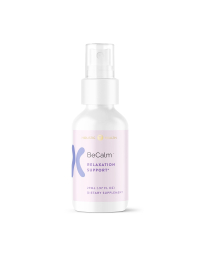
BeCalm™ Spray helps target anxiety and stress while supporting B12 transport.
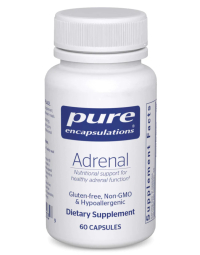
Adrenal helps support healthy adrenal function and healthy cortisol levels.
With the appropriate tools, we can confidently manage stress and maintain our well-being.
The information expressed on this webpage does not constitute an attempt to practice medicine nor does it establish a doctor-patient relationship. Content on the site is for informational and educational purposes only. The information expressed is not meant to replace you working with a physician or health care practitioner.
Information and statements have not been evaluated by the U.S. Food & Drug Administration (FDA) and are not intended to diagnose, treat, cure or prevent any disease or be used as the basis for treating a particular symptom or disease. Any products discussed or endorsed are not intended to diagnose, treat, cure or prevent any diseases or be used as the basis for treating a particular symptom or disease. If you have specific healthcare concerns or questions about the products displayed, contact your licensed healthcare professional for advice or answers.
References:
1. Kalin NH. Novel Insights Into Pathological Anxiety and Anxiety-Related Disorders. Am J Psychiatry. Mar 01 2020;177(3):187-189. doi:10.1176/appi.ajp.2020.20010057
2. Anxiety. National Library of Medicine (US). last updated 2023 Oct 17. 2024. Accessed 2024 Jul 24. https://medlineplus.gov/anxiety.html
3. Health NIoM. Anxiety Disorders. U.S. Department of Health and Human Services, National Institutes of Health. last reviewed April 2024. 2024. Accessed 2024 Jul 24. https://www.nimh.nih.gov/health/topics/anxiety-disorders
4. Coltrera F. Anxiety: What it is, what to do. Harvard Health Blog blog. 2018 Jun 01, 2018. Accessed 2024 Jul 24. https://www.health.harvard.edu/blog/anxiety-what-it-is-what-to-do-2018060113955
5. Howard L. Anxiety disorders will affect nearly 1 in 3 adults: Here's what you need to know. 2023. 2023 May 10. 2024. Accessed 2024 Jul 24.
6. Understanding Anxiety Disorders: When Panic, Fear, and Worries Overwhelm. 2024 Jul 25, 2016. https://newsinhealth.nih.gov/2016/03/understanding-anxiety-disorders
7. Shimada-Sugimoto M, Otowa T, Hettema JM. Genetics of anxiety disorders: Genetic epidemiological and molecular studies in humans. Psychiatry Clin Neurosci. Jul 2015;69(7):388-401. doi:10.1111/pcn.12291
8. Sun X, Ming Q, Zhong X, et al. The MAOA Gene Influences the Neural Response to Psychosocial Stress in the Human Brain. Front Behav Neurosci. 2020;14:65. doi:10.3389/fnbeh.2020.00065
9. MAOA gene monoamine oxidase A. 2017, May 1. Accessed 2023, April 25. https://medlineplus.gov/genetics/gene/maoa/
10. Field DT, Cracknell RO, Eastwood JR, et al. High-dose Vitamin B6 supplementation reduces anxiety and strengthens visual surround suppression. Hum Psychopharmacol. Nov 2022;37(6):e2852. doi:10.1002/hup.2852
11. Sahu P, Thippeswamy H, Chaturvedi SK. Neuropsychiatric manifestations in vitamin B12 deficiency. Vitam Horm. 2022;119:457-470. doi:10.1016/bs.vh.2022.01.001