In a world full of noise and constant distractions, maintaining focus can be tough. Whether it's personal goals or business projects, learning how to improve your focus and keep your mind sharp can make a big difference. We'll break down the science to help you stay on track.
Focus: What It Means and How It Functions
Attention is thought of as a “superior cognitive function” because it has a significant impact on a wide range of our everyday activities.1 Our ability to focus helps us pay attention to certain aspects of our environment while ignoring others around us.
A good example of this is the "cocktail party effect." Imagine you're in a crowded room full of people talking. Even though its noisy, relatively little effort is needed to focus on the one person you’re interested in talking to, while the rest of the conversations turn into background noise. This phenomenon shows how we can choose what to pay attention to based on what we’re trying to achieve.2
What Affects Your Focus?
Studies have shown that our ability to pay attention shifts based on how we're feeling physically, emotionally, and mentally. Changes in mood, especially feeling sad, can impact your ability to concentrate.3 Some research shows that how well we are able to stay focused changes throughout the day due to factors like how awake we are, the environment, and circadian rhythm.4
How Cognitive Health Shapes Your Attention
Cognitive health covers a range of mental abilities, including thinking, learning, and remembering. It also involves physical skills like movement and balance, how we understand and react to emotions, and how we feel and respond to touch.5 Healthy brain function helps individuals understand their strengths and adjust their thinking, emotions, and behavior to cope effectively.5
Several factors impact brain health, including aging, injuries, mood disorders, substance abuse, and different illnesses. While some aspects can't be changed, there are many lifestyle choices that can potentially make a difference. Eating well, staying active, engaging with others, and keeping your mind active can help maintain or even improve brain function as you age.5
Improve Your Brainpower
If you notice your focus slipping or need to get your brain ready for tasks that demand strong concentration, give these techniques a try:
Avoid multitasking. Focus on completing one task at a time before moving on to the next. This approach helps prevent your mind from being overwhelmed by multiple distractions.6
Work in dedicated intervals. Find out the best amount of time for maintaining focus on mental tasks. Work within this timeframe (set a timer to remind you when time is up), take a break, and then come back for another session.7
Eliminate distractions. Turn off the TV and if your smartphone disrupts your focus, put it in a drawer, another room, or somewhere out of sight and sound while you work. If background noise helps you concentrate, try listening to calming ambient sounds like nature or white noise settings.7
Get moving. Exercise can improve attention, decision-making, and coordination in children.8 Research has shown that staying active can also support healthy aging by improving thinking skills, maintaining independence, and boosting mental well-being for those dealing with memory issues.9
Keep your mind active. Just like exercising a muscle, improving your focus takes practice. You can challenge your brain by doing activities like crosswords, jigsaw puzzles, participating in a book club, or taking a course.10 Research has found that playing action video games can also improve the ability to focus and control attention.1
Get enough sleep. Try to get seven to nine hours of sleep each night. Maintain a consistent sleep routine by going to bed around the same time every evening.11
Be mindful of caffeine consumption. Although caffeine can enhance focus in the short term, too much can lead to nervousness, anxiety, and distractibility. Find the right amount of balance that gives you a mental boost without the jitters.12
Give meditation a go. Meditation is an ancient practice that trains the mind to be both calm and focused by making individuals more aware of their thoughts and emotions. One study found that 2 months of practicing a daily 13-minute meditation improved attention and memory, suggesting that even a brief daily meditation practice can be helpful.13 An added bonus - meditation can also help reduce anxiety caused by sudden stress.13
Fuel Your Brain: Nutrition Tips for Enhanced Attention
The importance of breakfast. Looking for a simple approach to improve cognitive health? Fuel your focus by starting your day with a nutritious breakfast. Eating breakfast has a significant impact on:
- attention capacity (how well you can focus on something)
- processing speed (how quickly you can understand or react to information)
- working memory (how well you can keep and use information for a short time)
- immediate recall (how quickly you can remember something right after you’ve learned it)
- delayed recall (how well you can remember something after some time has passed)
- recognition (how well you can identify something you’ve seen or learned before)5
Natural supports. There’s a wide range of supplements tailored to various cognitive needs. Here’s what we know about some of these popular choices:
B vitamins have been shown to play a role in cognitive health and are essential for brain development. Adequate levels of vitamin B-12, particularly during pregnancy and early childhood, helps support brain development, nerve protection, and growth in infants and young children.5
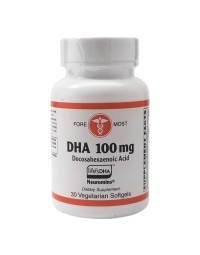
Omega-3 fatty acids, including docosahexaenoic acid (DHA), are important in neural signaling, reducing neuro-inflammation, and supporting neuronal growth and survival.5,14
Vitamin D and its role in cognitive health is gaining more recognition. Multiple studies have shown that individuals with vitamin D deficiency often experience cognitive impairment.5
L-Theanine A natural amino acid, L-theanine has the potential to help you focus better, which may improve your working memory and decision-making skills.15 Paired with caffeine, L-theanine has been found to enhance short-term focus and overall mental performance, showing benefits for attention, memory, and managing hyperactivity.16
Ashwagandha, turmeric, and Brahmi have been shown to potentially help improve cognitive function or slow down mental decline.5
Dietary fibers and probiotics are gaining recognition for their positive effects on cognitive health through the regulation of gut microbes.5 Studies have highlighted how alterations in gut bacteria due to diet, antibiotics, anti-inflammatory medications, and harmful microbes can play a role in cognitive abilities.
Final Thoughts on Better Focus
By making adjustments to your lifestyle, environment, and supplement habits in small ways, you can experience both short and long-term gains in brain health and performance. Write down your favorite methods and begin your path to optimal attention!
Conditions like ADHD, mental health issues like depression and anxiety, and trauma from head injuries can make it hard to maintain focus, concentration, and attention. Always consult with your healthcare professional for guidance on how you can tackle these challenges effectively.
The information expressed on this webpage does not constitute an attempt to practice medicine nor does it establish a doctor-patient relationship. Content on the site is for informational and educational purposes only. The information expressed is not meant to replace you working with a physician or health care practitioner.
Information and statements have not been evaluated by the U.S. Food & Drug Administration (FDA) and are not intended to diagnose, treat, cure or prevent any disease or be used as the basis for treating a particular symptom or disease. Any products discussed or endorsed are not intended to diagnose, treat, cure or prevent any diseases or be used as the basis for treating a particular symptom or disease. If you have specific healthcare concerns or questions about the products displayed, contact your licensed healthcare professional for advice or answers.
References:
1. Barton AC, Sheen J, Byrne LK. Immediate Attention Enhancement and Restoration From Interactive and Immersive Technologies: A Scoping Review.Front Psychol. 2020;11:2050. doi:10.3389/fpsyg.2020.02050
2. Lodge JM, Harrison WJ. The Role of Attention in Learning in the Digital Age. Yale J Biol Med. Mar 2019;92(1):21-28.
3. Poerio GL, Totterdell P, Miles E. Mind-wandering and negative mood: does one thing really lead to another? Conscious Cogn. Dec 2013;22(4):1412-21. doi:10.1016/j.concog.2013.09.012
4. Smith GK, Mills C, Paxton A, Christoff K. Mind-wandering rates fluctuate across the day: evidence from an experience-sampling study. Cogn Res Princ Implic. Dec 29 2018;3(1):54. doi:10.1186/s41235-018-0141-4
5. Puri S, Shaheen M, Grover B. Nutrition and cognitive health: A life course approach. Front Public Health. 2023;11:1023907. doi:10.3389/fpubh.2023.1023907
6. Madore KP, Wagner AD. Multicosts of Multitasking. Cerebrum. 2019;2019
7. Sutton H. Stay focused and reduce stress while working from home, meeting virtually. Copyright © 2020 Wiley Periodicals LLC, A Wiley Company.; 2020:8-9. vol. 1.
8. Sun W, Yu M, Zhou X. Effects of physical exercise on attention deficit and other major symptoms in children with ADHD: A meta-analysis. Psychiatry Res. May 2022;311:114509. doi:10.1016/j.psychres.2022.114509
9. Nuzum H, Stickel A, Corona M, Zeller M, Melrose RJ, Wilkins SS. Potential Benefits of Physical Activity in MCI and Dementia. Behav Neurol. 2020;2020:7807856. doi:10.1155/2020/7807856
10. Tang YY, Posner MI. Attention training and attention state training. Trends Cogn Sci. May 2009;13(5):222-7. doi:10.1016/j.tics.2009.01.009
11. Zimmerman ME, Benasi G, Hale C, et al. The effects of insufficient sleep and adequate sleep on cognitive function in healthy adults. Sleep Health. Apr 2024;10(2):229-236. doi:10.1016/j.sleh.2023.11.011
12. Liu C, Wang L, Zhang C, et al. Caffeine intake and anxiety: a meta-analysis. Front Psychol. 2024;15:1270246. doi:10.3389/fpsyg.2024.1270246
13. Basso JC, McHale A, Ende V, Oberlin DJ, Suzuki WA. Brief, daily meditation enhances attention, memory, mood, and emotional regulation in non-experienced meditators. Behav Brain Res. Jan 01 2019;356:208-220. doi:10.1016/j.bbr.2018.08.023
14. Horrocks LA, Yeo YK. Health benefits of docosahexaenoic acid (DHA). Pharmacol Res. Sep 1999;40(3):211-25. doi:10.1006/phrs.1999.0495
15. Baba Y, Inagaki S, Nakagawa S, Kaneko T, Kobayashi M, Takihara T. Effects of l-Theanine on Cognitive Function in Middle-Aged and Older Subjects: A Randomized Placebo-Controlled Study. J Med Food. Apr 2021;24(4):333-341. doi:10.1089/jmf.2020.4803
16. Anas Sohail A, Ortiz F, Varghese T, et al. The Cognitive-Enhancing Outcomes of Caffeine and L-theanine: A Systematic Review. Cureus. Dec 2021;13(12):e20828. doi:10.7759/cureus.20828